Introduction to Vertical Greening Systems
| Site: | Arnes Učilnice |
| Course: | Vertical Gardening |
| Book: | Introduction to Vertical Greening Systems |
| Printed by: | Gostujoči uporabnik |
| Date: | Saturday, 4 July 2026, 6:47 AM |
Description
Author:
Dr Sarah Milliken, University of Greenwich
1. Introduction
This unit provides an introduction to the course. It traces the historical development of vertical greening systems, including green facades and living walls. The benefits of vertical greening in external and internal environments are then discussed, including human health and wellbeing, and environmental and economic benefits. A brief summary of the difference between natural and artificial ecosystems highlights the importance of human intervention in order for living walls to thrive, in the form of water and nutrient supply, and the management of pests and diseases. These topics are covered in more detail in Unit 4. The different types of vertical greening system are then introduced, with a consideration of their relative sustainability in terms of their lifetime environmental costs. The unit concludes with a review of the different types of substrate and their appropriate use.
1.0 The historical development of vertical greening systems
Vertical greening systems are divided into two main categories: green facades and living walls. Green facades typically use climbers, such as ivy, which are planted in containers at ground level and which grow vertically on a building’s facade, either unsupported or on a system of wires or a trellis. Living walls, on the other hand, are modular panels comprised of polypropylene plastic containers or geotextile mats, and have vegetation planted throughout the surface of the wall. The two main types of living wall are hydroponic and media-based systems.
1.0.1 Green facades
In Germany there has long been a tradition of planting ivy on the facades of mills, which served as an additional insulation layer to cool the industrial machinery inside. In the early 20th century it became fashionable to grow climbers up the facades of buildings in order to make a seamless changeover between the house and garden. The use of green facades declined in the 1930s due to new building techniques and people’s concern about possible consequences on wall stability, only to remerge again in late 1970s Berlin, where species such as English ivy (Hedera helix) and Boston ivy (Parthenocissus tricuspidata) were planted throughout the city as a cost saving measure, since they obscured the stucco facades which otherwise would have needed to be regularly repainted. The recognition of the contribution of green facades to the ecological enhancement of cities in the early 1980s fuelled a widespread grassroots campaign for inner city greening, which in turn led to the development of incentive programs in about 35 German cities. 245,584 m² of green facades were installed between 1983 and 1997 in Berlin alone, where the Biotope Area Factor (BAF) was developed as an urban planning tool in order to improve ecosystem functionality and promote the development of biotopes in the city centre. The BAF puts into concrete terms the following environmental quality goals: safeguarding and improving the microclimate and atmospheric hygiene; safeguarding and developing soil function and water balance; creating and enhancing the quality of the plant and animal habitat; and improving the residential environment. The tool is designed to increase the amount of green spaces in new developments, by setting targets for the desired ratio between vegetated surfaces and the total site area, and allowing developers to select from a weighted menu that includes green roofs, vertical greening systems, and tree planting [1].
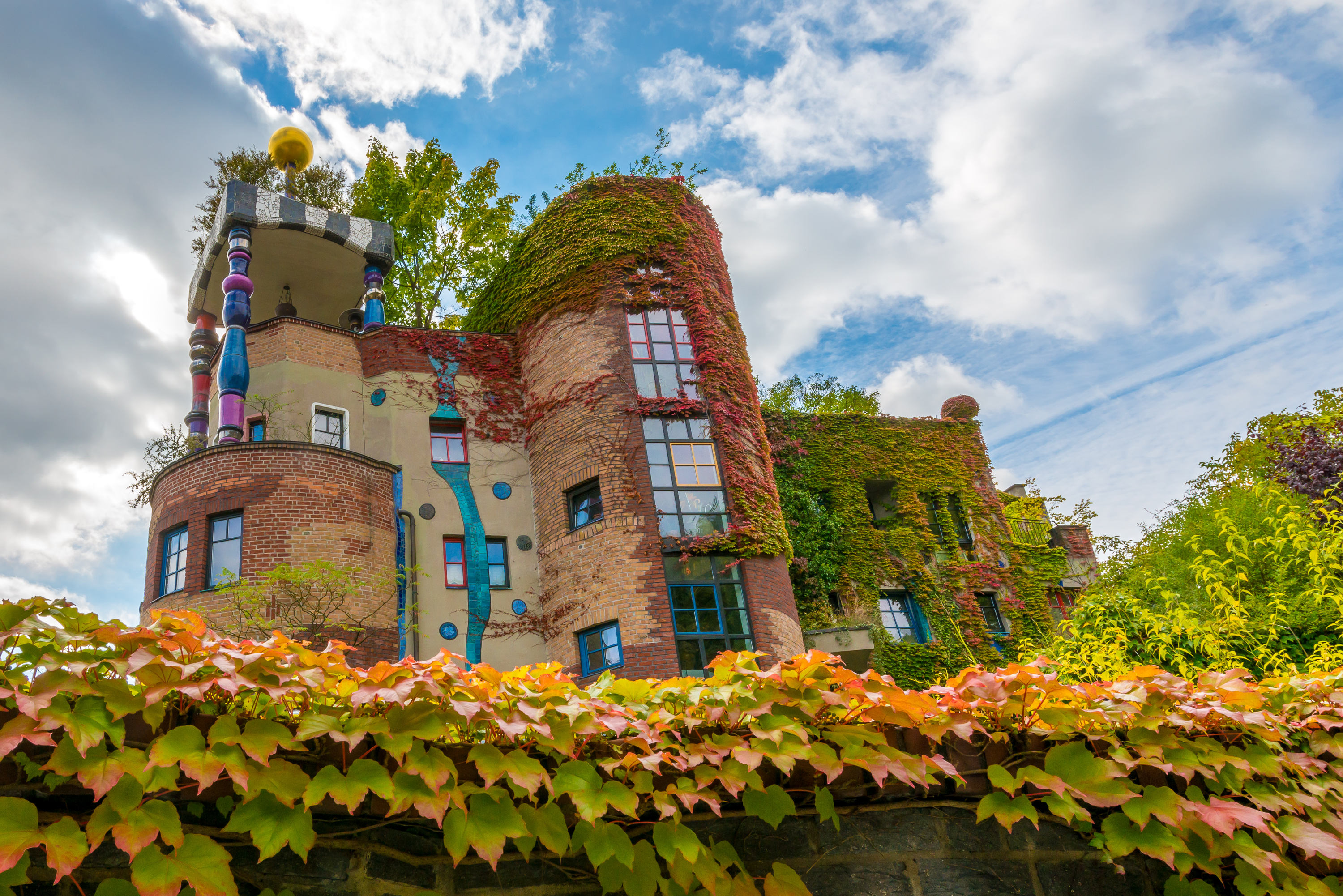
Some architects started to incorporate vegetated facades into their designs for new builds; perhaps the most iconic building of this period is the Hundertwasser House in Vienna, designed by Friedensreich Hundertwasser and built between 1983 and 1985 [2]. The stainless steel cable system for green facades was first introduced in 1988.

Figure 1: Hundertwasser House, Vienna
Source: https://upload.wikimedia.org/wikipedia/commons/b/b9/Hundertwasserhaus_Bad_Soden_Autumn.jpg
1.0.2 Living walls
The first living wall system was patented in 1938 by Professor Stanley Hart White, University of Illinois Urbana-Champaign (USA), who developed prototypes in his own garden. He named it the ‘Botanical Brick’. White envisioned that Botanical Bricks would stack like masonry, with meshes enclosing the plant growing substrate. White suggested that the substrate could be entirely inert through the use of building insulation as a growing medium. It appears that White therefore predicted the use of mineral wool in hydroponics, as the material was not actually used as a growing medium until the late 1960s when Grodan Rockwool® first became commercially available [3].
French tropical botanist Patrick Blanc developed the first geotextile living wall in the 1980s. His first 'mur végétal' was installed at the Cité des Sciences, Paris (FR) in 1986, and the system was patented two years later. The first commercial installations were in Paris, at the Pershing Hall Hotel in 2001, followed in 2005 by the Quai Branly Museum. Since then the Patrick Blanc system has been installed on or in hundreds of buildings on all five continents [4].

Figure 2: Quai Branly Museum, Paris (FR)
Source: https://www.flickr.com/photos/paolo_rosa/1349260571
Another landmark development in the technology of vertical greening systems took place at the University of Guelph in Toronto, Canada, where a team of researchers built and tested a biofilter, a hydroponic indoor living wall that acts as an air filter. This research, initially funded by NASA, evolved into a company by the name of Nedlaw. The system had its first commercial application at the University of Guelph Humber campus in 2005. The living wall is an integrated part of a building's air conditioning system. Air is actively forced through the wall of plants and highly specialized biological components actively degrade pollutants such as formaldehyde and benzene in the air into their benign constituents of water and carbon dioxide. The clean air is then distributed throughout the building [5].
The first modular system with plastic containers was patented at the beginning of the 21st century. Since then a wide range of designs of both modular and geotextile systems has been produced in different countries around the world. Some of these will be explored in more detail in unit 1.4. The number of companies designing and installing living wall system has also increased exponentially over the past two decades. This is partly in response to the promotion of living walls in urban planning best practice guidance in many European cities, such as the Biotope Area Factor in Berlin, the Green Space Factor and Green Points System in Malmö [6], and the Living Roofs and Walls Policy in London [7]. Alongside these policies aimed at new developments, there have also been initiatives involving the retrofitting of living walls onto existing buildings in order to improve the quality of life of both humans and wildlife in cities. 1012 m² of living wall was installed in London financed by the Mayor’s Air Quality Fund (2013-2016) [8], and more than 100 vertical greening systems have been installed in different quarters of Paris as part of a sustainable city policy over the past three decades. In 2014 the Mayor of Paris committed a further €2,000,000 to Des Jardins sur les Murs (Gardens on the Walls), part of the Végétalisons la Ville (Revegetate the City) initiative (2014-2020). The project involves the creation of 41 vertical greening systems (green facades and living walls) in order to create wildlife corridors linking open green spaces such as parks and gardens, and to improve air quality and microclimate [9, 10]. Some European governments have also started to promote living walls in their national laws, such as Italy’s Legge 14 gennaio 2013, no. 10 ‘Norme per lo sviluppo degli spazi verdi urbani’ (Law 14 January 2013, no. 10 ‘Standards for the development of urban green spaces’) which identifies the importance of vegetation for the environment, and therefore the need to increase and to develop public and private green areas, including the use of vertical greening systems [11].
Alongside the development of new types of geotextile and plastic container living wall systems (see unit 1.4 for a discussion of various examples), innovative systems are being developed which incorporate new types of materials. For example, Creabeton Matériaux SA (CH) has developed the Skyflor system which has modular elements consisting of a thin, porous ceramic surface which allows plant roots to penetrate and the substrate to breathe. The panels are backed by a thin layer of fibre-reinforced ultra-high performance concrete which ensures minimal thickness and weight. The gap between the ceramic surface and the concrete back is filled with substrate which has been formulated for optimal plant growth. The surfaces of the panels are sown with seeds to suit the requirements of the client and the local environment, and have been shown to provide a highly absorbent sound-screen. Skyflor is an award winning patented system: Creabeton Matériaux SA were awarded both the Gold Medal in the Construction/Architecture category and the Young Entrepreneur prize at the 38th International Exhibition of Inventions in Geneva in 2010 [12].

Figure 3: Skyflor by Creabeton Matériaux SA
Source: www.skyflor.ch
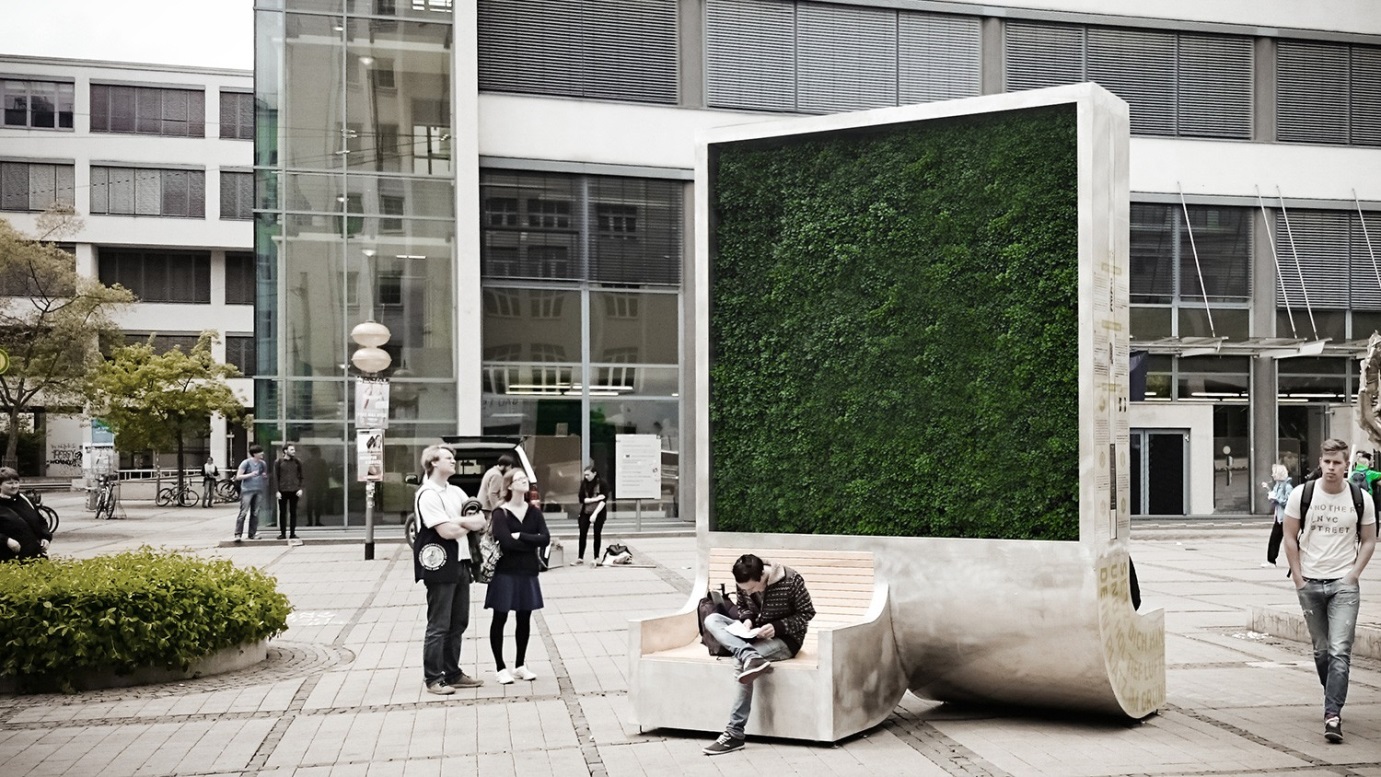
Another example of an innovative living wall system is CityTree by Green Living Solutions (DE). Planted with moss to filter fine dust, nitrogen oxides and therefore a large amount of CO2 equivalents out of the air, each unit is said to be as effective in combating air pollution as 275 urban trees at 5 % of the cost and requiring 99 % less space. The units have a solar-powered automated irrigation system which delivers nutrients to the plants. Integrated Internet of Things (IoT) technology collects, analyses and visualises data about the status and environmental performance of the CityTree [13].
|
|
The Royal Horticultural Society (RHS) has produced a useful online summary of living walls, including the different types, their benefits, and suitable plants [14].
Resources
- Biotope Area Factor (BAF), Berlin http://www.stadtentwicklung.berlin.de/umwelt/landschaftsplanung/bff/index_en.shtml
- Hundertwasser House, Vienna
http://www.hundertwasser-haus.info/en/ - Stanley Hart White's 'Botanical Brick'
http://horticulturalbuildingsystems.com/wp-content/uploads/2012/04/a-vertical.pdf - Patrick Blanc
http://www.verticalgardenpatrickblanc.com/ - Nedlaw living wall biofilter
http://www.nedlawlivingwalls.com/ - Green Space Factor and Green Points System, Malmö
http://www.malmö.se/download/18.d8bc6b31373089f7d980008924/1383649554866/greenspacefactor_greenpoints_grabs.pdf - Green Roofs and Walls Policy, London
https://www.london.gov.uk/sites/default/files/living-roofs.pdf - Mayor’s Air Quality Fund, London
https://www.london.gov.uk/sites/default/files/mayors_air_quality_fund_report_2016.pdf - Des Jardins sur les Murs, Paris
https://budgetparticipatif.paris.fr/bp/jsp/site/Portal.jsp?document_id=2206&portlet_id=158 - Végétalisons la Ville, Paris
http://www.paris.fr/duvertpresdechezmoi - Norme per lo sviluppo degli spazi verdi urbani (Legge 14 gennaio 2013, no.10)
http://www.minambiente.it/sites/default/files/archivio/normativa/legge_14_01_2013_10.pdf - Skyflor by Creabeton Matériaux SA
http://www.skyflor.ch/en/home/ - Green City Solutions CityTree
https://greencitysolutions.de/en/ - RHS green walls
https://www.rhs.org.uk/advice/profile?PID=547
1.1. The benefits of vertical greening
Urban green infrastructure is the network of green spaces, water and other natural features within urban areas. A green infrastructure approach uses natural processes to deliver multiple functions, such as reducing the risk of flooding and cooling high urban temperatures. Urban green infrastructure includes parks, cemeteries, playing fields, private gardens, allotments, green roofs, green facades and living walls [1, 2, 3]. Whereas roofs are not always a visible feature, especially in the inner city, we are constantly aware of and guided by the presence of walls in our towns and cities. Many of these are often blank and featureless, and provide an opportunity for creating living walls. Living walls utilise plants to derive benefits not only in visual terms, but also with regards to amenity, biodiversity, thermal efficiency and amelioration of pollutants, all for a very small ground level footprint [
Health and wellbeing benefits
Green spaces can improve mental health and the quality of community life. Researchers have observed a link between increasing urbanisation and psychosis or depression. Experimental evidence suggests that simply having views of nature can improve mood, self-esteem and concentration, and help to treat stress and mental health disorders. These benefits have been shown to occur over very short exposure periods to vegetation.
Living walls provide visual amenity, resulting in a green and organic skin to what otherwise may be a ‘cold’ and unattractive wall. In some cases architects may contest that such a living wall will detract from the overall aesthetic of the building. Clearly, living walls have to be designed so as to contribute aesthetically not only to the building itself but to the overall environment in which it sits. The involvement of architects, landscape architects and ecologists at the earliest possible stage in the design process is critical in achieving the greatest visual amenity advantage.
Environmental benefits
Air pollution tends to be highest in deprived urban areas, and particulate air pollution (PM10) is a major health issue in cities around the world. Motor vehicle exhaust emissions are responsible for a substantial proportion of urban particulates and their reduction presents the largest challenge to improving the air quality. Exposure to high air pollution can cause and exacerbate respiratory problems, heart disease and cancer. Green infrastructure can reduce exposure in two ways.
- Vegetation can reduce air pollution directly by trapping and removing fine particulate matter and indirectly by reducing air temperatures. The strength of the effect depends on multiple factors, such as the weather, the pollution concentration, and the type and quality of vegetation.
- Urban transport infrastructure often results in the funnelling of pedestrians along major roads, where the concentration of air pollution is highest. Green corridors across cities can reduce pedestrian exposure to pollution by providing alternative routes.
Living walls can trap dust and other pollutants from both the air and rainfall on the leaves of plants, though during sustained periods of dry weather plants may reach a saturation point, after which particulate capture is likely to become less efficient. Varying the type, location and density of plants within a living wall can increase the opportunities for particulate capture. Creating texture across the wall by using a variety of plants increases the air turbulence in and around the vegetation, which has been shown to increase the rate of particulate deposition. The particulate capture ability of different plant species depends on the size, shape and surface texture of the leaves:
- Hairy, rough and/or ridged leaves are effective in trapping particles
- Waxy leaves are also effective in trapping particles
- Plants that attract aphids could be appropriate for inclusion as the sticky secretion of aphids deposited on leaves will retain particles
- Evergreen vegetation offers a year-round particulate-trapping surface
- Plants with smaller leaves have greater density of foliage and branches. The adsorption capability of plants is positively related with the leaf area index (leaf area/surface area, m²/m²).
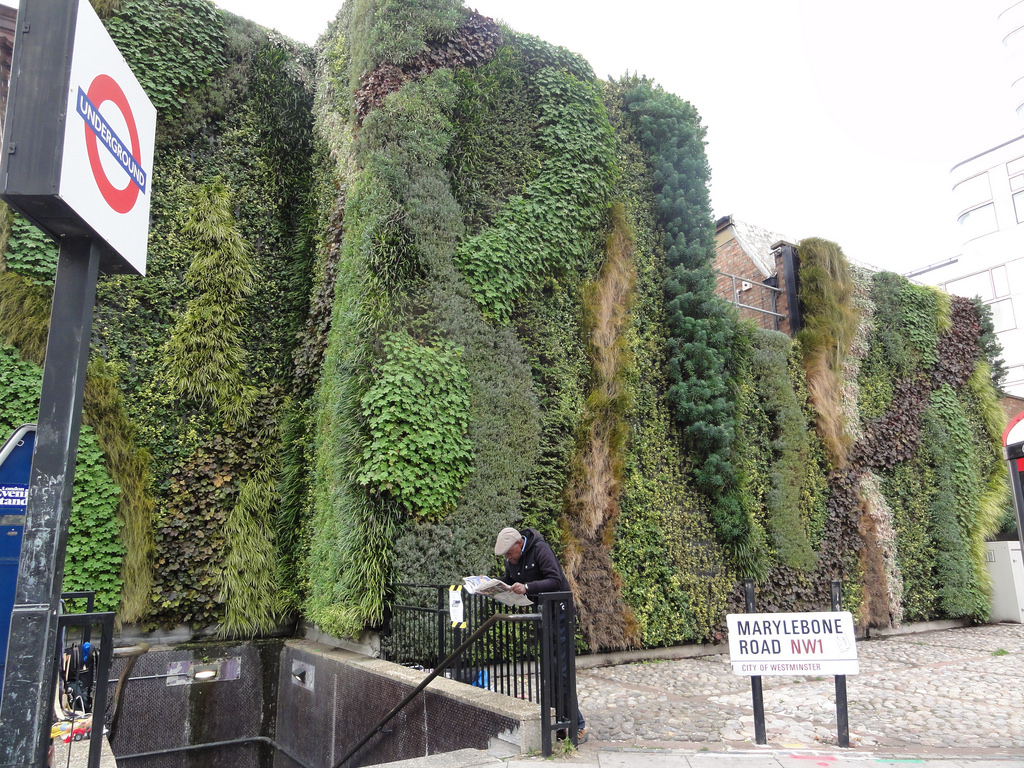
In 2011 a 180 m² living wall was erected at the entrance to the Edgware Road underground station, London, funded by the Department of Transport Clean Air Fund. The planting design (Figure 3) intentionally created a variety of textures across the wall to interrupt air flow and encourage particle deposition. The wall contains 14,000 plants of 15 different species which were planted in a matrix format with the same plants repeated at different heights within the wall to enable comparison of PM10 capture rates [5]. A study found a great disparity in the relative ability of different species. Plants with small leaves which are hairy, waxy or deep-veined were found to be more efficient than those with smooth and supple leaves. Convolvulus cneorum performed far better than any other species, followed by Stachys byzantina; Hedera helix was the worst performing species. Over the three month monitoring period, the total PM10 capture was calculated to be 515 g [6].
|
|
Another study involved free standing living walls at the Warren School in Dagenham, London, which is situated close to a busy road. A 15 metre living wall runs parallel to the road, and another living wall is situated at a 45° angle to it. The study looked at the effectiveness of five species (Stachys byzantina, Carex testacea, Convolvulus cneorum, Lavandula angustifolia and Geranium sp.) planted at three different heights (30 mm, 75 mm and 120 mm) at attenuating PM10. A comparison was also made between the two wall types and a nearby natural hedge. In parallel, the effect of the walls and hedge on nitrogen dioxide levels were also measured. All five species were found to capture particulate matter, but at low levels, which may have been due to high levels of precipitation recorded during the monitoring period. No significant difference was found in particulate capture between species or at different heights. However, the plants on the angled wall captured significantly more PM10 compared with the wall running parallel to the road. Previous studies have shown that wind flows around dense barriers are complex and this may have influenced the outcomes of this trial. The natural hedge assimilated a significant amount of nitrogen dioxide compared to the walls [7].
|
|

Living walls also have a role to play in the attenuation of noise pollution. While the hard surfaces of urban areas tend to reflect sound rather than absorb it, living walls can absorb sound: the vegetated surface will block high frequency sounds, and when constructed with a substrate or growing medium support they can also block low-frequency noises. Experimental studies have shown that even a thin layer of vegetation (20–30 cm) is able to absorb 1 dB of traffic noise, and 3 dB of pink noise.
|
|
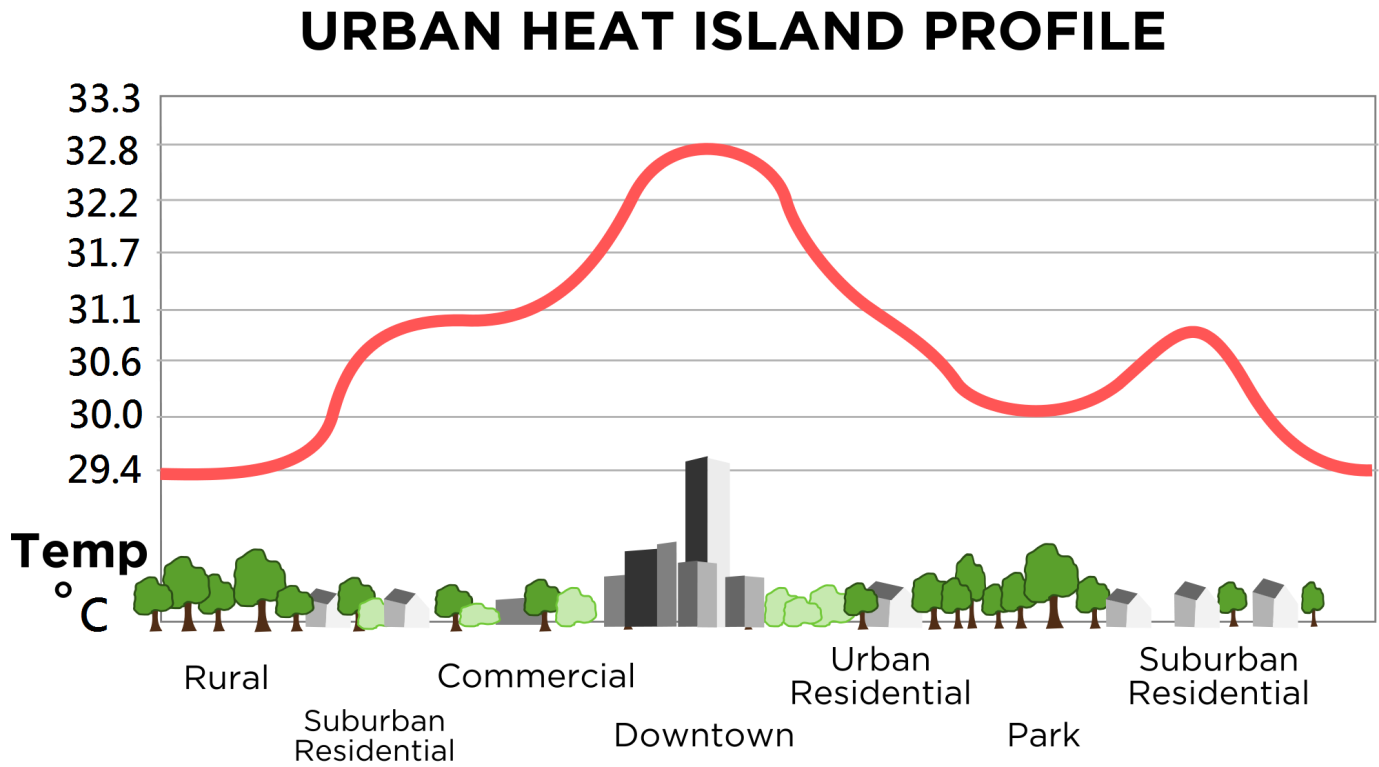
Green infrastructure can lower air temperatures through the evaporation of water from vegetation and by providing shading. Urban areas often experience elevated temperatures compared with the surrounding countryside, because of extensive heat absorbing surfaces, such as concrete and tarmac, concentrated heat production and impeded air flow. This is known as the ‘urban heat island effect’.
For example, the centre of London is on average 5°C warmer than surrounding rural areas. Heat waves during the summer pose significant health risks to urban populations either directly from the heat or from increased air pollution. During the 2003 heat wave, a temperature difference between urban and rural areas of up to 10°C was recorded for London and estimates suggest that 40% of the 600 excess deaths (the number of actual deaths minus the number of expected deaths) in London were due to the urban heat island effect. Climate change projections suggest that by 2050 such summer temperatures will be common.
Living walls can help reduce the urban heat island effect through the interception of both light and heat radiation which would otherwise be largely absorbed and converted to heat by the building surfaces and then radiated back into the surrounding streetscape. By providing shading from the sun, living walls can therefore significantly reduce the external temperature of a building. The effectiveness of this cooling effect is related primarily to the total area shaded and evapotranspiration effects of the vegetation, rather than the thickness of the living wall. Diurnal temperature fluctuations at the wall surface can be reduced from between 10°C and 60°C to between 5°C and 30°C. Other potential benefits of living walls include ‘bioshading’ – reducing sunlight penetration through windows. With strategic placement, the plants in living walls can also create enough turbulence to break vertical airflow, which slows and cools down the air.
Increasing plant species diversity and increasing the range of vegetation in cities can significantly increase other forms of biodiversity. Living walls can potentially provide a food source for invertebrates on which, in turn, other invertebrates and birds may feed. They also provide breeding and nesting habitat for invertebrates, birds and possibly bats, and are ideal for including artificial animal breeding structures such as nest boxes or bat roosting boxes. Careful choice of species and the orientation of the wall will increase the potential of a living wall to harbour other forms of wildlife. For example, ivy (Hedera helix) is a valuable food source for innumerable invertebrates which feed on its leaves, flowers and nectar, and, being evergreen, it also provides valuable over-wintering and hibernation habitat. In addition a living wall can be part of an overall city greening strategy linking ground level open space with street trees, water courses and living roofs.
Economic benefits
Green infrastructure can provide a competitive advantage to urban centres at a local scale through:
- Inward investment – attractive areas encourage the movement of employers to an area, and increase the value of local property.
- Visitor spending – attractive areas with green infrastructure attract more visitors, increasing spending with local businesses.
- Environmental cost-saving – green infrastructure can be a cost-effective alternative to grey infrastructure.
- Health improvement – where the provision of green infrastructure has a positive effect on the physical and mental health of local communities, it may reduce government spending on healthcare and improve workforce productivity (see unit 1.2.1.1 Health and wellbeing benefits).
- Job creation – green infrastructure can create jobs directly through activities involved with construction, maintenance or management, and indirectly through increased visitor spending. Green walls draw upon several disciplines for their design, installation and maintenance - such as landscape architects, architects, irrigation consultants, and so on. Demand for a local supply of plants and growing media creates further business activity.
Living walls also provide economic benefits in terms of the building and its inhabitants. Contrary to received wisdom, climbers on buildings can actually help to protect the surface of the building from damage, particularly from very heavy driving rainfall and hail, and can possibly play some role in intercepting and temporarily holding water during rainstorms, in the way that green roofs do. Temperature fluctuations over a building's lifetime can be damaging to organic construction materials in building facades. Living walls provide an additional layer of exterior insulation and thereby limit thermal fluctuations. They also help to shield the surface from ultra-violet light, which might be an important consideration for certain modern cladding materials, and can increase the seal or air tightness of doors, windows, and cladding by decreasing the effect of wind pressure.
By reducing wall wetting, living walls can reduce the amount of cooling through evaporation at the wall’s surface, and therefore reduce energy loss through the building fabric. Living walls can also provide a certain amount of insulation, although the effectiveness of this will depend on the type and structure of the living wall and the overall energy performance of the building itself. Research has demonstrated that by creating a zone of still air adjacent to the wall, evergreen plants can reduce convection at the wall surface by up to 75 per cent and heating demand by up to 25 per cent. In general, the effectiveness of insulation is related to the thickness and coverage of plant growth. Living walls can help lower the air temperature around intake valves, which means HVAC units will require less energy to cool air before being circulated around a building.
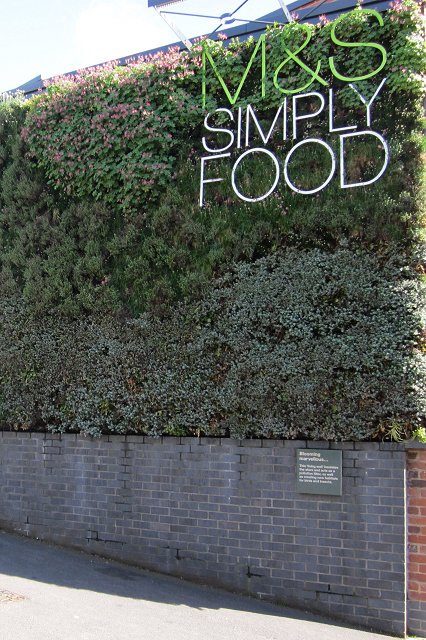
Living walls are also a valuable marketing tool. Green buildings, products, and services now possess a competitive edge in the marketplace. Living walls are an easily identifiable symbol of the green building movement since they are visible and directly impact the amount of green space in urban centres. They are a strong visual support of corporate green strategies, and studies have shown that a company’s building may be viewed as a symbol of its environmental and social performance and may be an attraction for job candidates.
|
|
The benefits of internal living walls
Indoor living walls have many benefits besides aesthetics, especially in the workplace. Through the process of photosynthesis, plants take in carbon dioxide (CO2) and release oxygen (O2). An increase in oxygen helps to keep us awake and alert. Studies show that plants naturally reduce our stress levels and make us feel more at ease in our surroundings. The presence of interior plants can increase productivity and inspire creativity amongst employees. Plants contribute to our overall wellbeing, which affects our mood, health and productivity. Positive moods, a part of wellbeing, are associated with enhanced learning and more efficient decision-making on complex tasks, greater use of logical reasoning techniques in problem solving, and higher benefits for all parties, and more innovative approaches, in negotiating. People working in a windowless room with indoor plants work more efficiently, are more attentive and have lower blood pressure than those working in the same room with the plants removed. A sense of wellbeing may also contribute to lower absenteeism in the workplace. Common areas utilizing plants, such as living walls, create spaces for employees to work together in collaborative groups. Plants also naturally absorb sound and soften noise pollution, so a living wall can be used effectively as a noise barrier in an acoustically loud space.
|
|
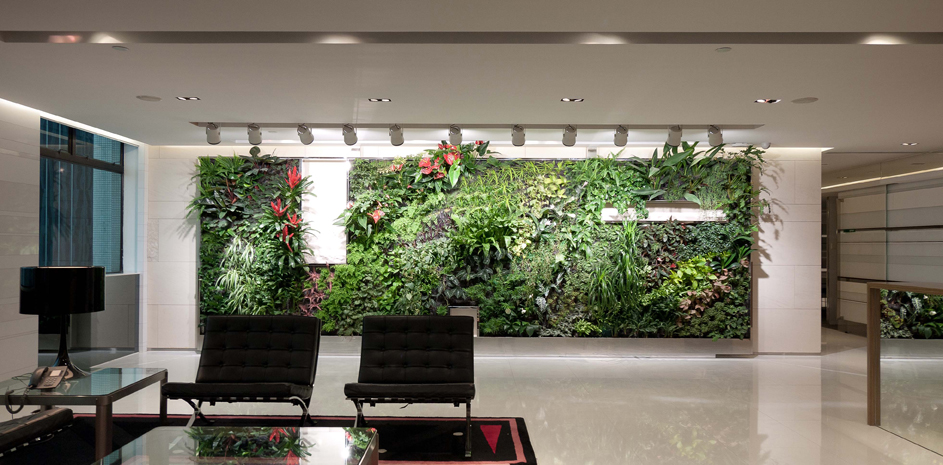
The average person spends over 90% of their time indoors, where we are constantly being bombarded with indoor air pollution. This includes toxic fumes such as formaldehyde, trichloroethylene, carbon monoxide, benzene, toluene, xylene, and other volatile organic compounds. Research undertaken by the National Aeronautics and Space Administration (NASA) has shown that chemicals such as formaldehyde and carbon monoxide can be removed from indoor environments by the plant leaves alone. Trichloroethylene, benzene, toluene, xylene and numerous other toxic chemicals can be removed by the roots of plant (or by the microorganisms living around the roots which degrade and assimilate these chemicals). This leads to fewer health complaints such as headaches and respiratory irritations, as well as increases in focus and attention. This process is significantly enhanced with bio-filtration living walls that integrate the wall into the heating, ventilation and air conditioning (HVAC) system. Biowalls are used strictly indoors and are often quite large. Air is pulled through the plants and growth media, into the HVAC system and the freshened air is redistributed throughout the building. These systems can be several stories high and are usually found in building atriums [8,
Certain tropical plant species are more efficient than others at filtering the air. The chart below lists toxic chemicals commonly found inside buildings, and a few examples of living wall plant which are most efficient at absorbing and neutralizing them.
Table 1: Toxic chemicals commonly found inside buildings and examples of plants which remove them
|
Common indoor toxic chemical |
Plants best at removing these toxins |
|
Formaldehyde (CH20) |
Peace lily (Spathiphyllum sp.) English ivy (Hedera helix) Boston fern (Nephrolepsis exaltata) |
|
Carbon monoxide (CO)
|
Spider plant (Chlorophytum comosum) Janet Craig Dracaena (Dracaena deremensis) Ficus sp. |
|
Volatile Organic Compounds (VOCs)
|
Golden pothos (Scindapsus aureus) Devil’s ivy (Epipremnum aureum) Philodendron sp. |
|
Trichloroethylene (TCE)
|
Mother-in-law’s tongue (Sansevieria trifasciata) Chrysanthemum (Chrysanthemum morifolium) Dracaena sp. |
|
Benzene (C6H6)/Toluene (C7H8)/Xylene (C8H10) |
Kimberley Queen Fern (Nephrolepsis obliterata) Orchid (Phalenopsis sp.) Dieffenbachia sp. |
.
Resources
- Green Capital: Green Infrastructure for a Future City
https://www.london.gov.uk/sites/default/files/green_capital.pdf
Case studies on the Rubens and St Mary’s Hospital living walls, London
- Green Capital — video
- Building a Green Infrastructure for Europe
http://ec.europa.eu/environment/nature/ecosystems/docs/green_infrastructure_broc.pdf
- The benefits of living green walls — video
- Delivering Vertical Greening
https://www.london.gov.uk/sites/default/files/2012-10-15_delivering_vertical_greening.pdf
- The role of shrubs and perennials in the capture and mitigation of particulate air pollution in London
- An investigation into the efficacy of green walls in reducing the levels of traffic pollutants PM10 and Nitrogen dioxide
http://www.lbbd.gov.uk/wp-content/uploads/2014/10/Alan-Nichols-Green-Wall-Dissertation.pdf
- Understanding the difference between a green vertical wall and a living wall biofilter
- Watermatic ‘Aerogation’ active green wall system — video
- Cleaning indoor air with Nedlaw living wall biofilters
1.2. The difference between natural and artificial ecosystems
There are several differences between natural and artificial ecosystems, including sustainability, diversity and purpose. A natural ecosystem has a diverse amount of species and plants, whereas artificial ecosystems are limited. Natural ecosystems are self-sustaining and result from spontaneous natural reaction, while artificial ecosystems require the assistance of humans.
A natural ecosystem is the result of interactions between organisms and the environment. For example, an ocean is classified as a marine ecosystem, which consists of algae, consumers and decomposers. A cycle occurs in this type of ecosystem that begins with algae converting energy via photosynthesis. After consumers feed on the algae, energy is transferred between the organisms. Once consumers die in this system, decomposers turn them into organic matter. This process occurs naturally over a period of time, whereas in an artificial ecosystem, human intervention is required.
An artificial ecosystem is not self-sustaining, and the ecosystem would perish without human assistance. For example, a farm is an artificial ecosystem that consists of plants and species outside their natural habitat. Without humans, this ecosystem could not sustain itself. The plants and animals need the help of humans to eat and survive. Another major difference between a natural ecosystem and artificial ecosystems is diversity. Natural ecosystems contain more natural factors and organisms. The relationships between organisms, each other and the environment in this ecosystem are more complex than that of artificial ecosystems.
Living walls are artificial ecosystems. All living walls require human intervention in order to thrive, in the form of water and nutrient supply, and the management of pests and diseases. Indoor living walls also need the right kind of light. Engineered components, such as the irrigation system, are essential to the functioning of the system; for example, the kind of geotextile used in a hydroponic living wall system will directly influence the ability of the plants to receive the right amount of water – not too much, and not too little. Engineered components also support and influence the biological components of the systems. Human design is thus an essential factor underlying all artificial ecosystems. Living walls feature relatively simple designs, compared with the obvious complexity of natural ecosystems.
Living walls may feature high levels of ecological novelty, such as combinations of species that have not occurred in the evolutionary history of the organisms or populations involved. If novelty results in conditions that exceed the tolerance of individual organisms, then stress, reduced fitness, changes to community structure and consequences to ecosystem functioning can result. A major cause of novelty in artificial ecosystems comes from their creation from scratch in disconnection from natural ecosystems, often resulting in a lack of biological legacy and ecological memory inherent to the dynamics of natural ecosystems. In natural ecosystems, the soil represents an ecological reservoir containing seeds and an entire food web based on microbial activities, but natural soils rarely form the basis of plant-based artificial ecosystems of living walls. This lack of biological legacy or ecological memory may result in depauperate microbial communities which could have profound effects on ecosystem functioning. Including greater biodiversity in living walls can improve their functionality.
Table 2: Natural and artificial ecosystem characteristics
|
Natural ecosystem |
Artificial ecosystem |
|
Consists of many species of plants and animals |
Species diversity is low |
|
Genetic diversity is very high |
Genetic diversity is very low |
|
Sunlight is the energy source for plants and this energy drives all biological cycles |
Sunlight is the ultimate energy source for plants but artificial fertilizers and other nutrients are externally supplied to the soil |
|
Food chains are long and complex |
Food chains are simple and often incomplete as other species are killed as pests or weeds |
|
Ecological succession takes place over time |
No ecological succession |
|
Natural nutrient cycling |
Incomplete nutrient cycling |
|
Naturally sustainable |
Unsustainable as most fertilizers are made from non-renewable fossil fuels, and they add to water pollution, biomagnification and other ecological disturbance |
1.3. The different types of vertical greening systems and their relative sustainability
Green facades
Green facades use evergreen or deciduous climbers that either attach themselves directly to the building surface, or are supported by steel cables or a trellis structure. Climbing plants can only grow to a maximum of 25 metres in height, and it may take several years for the green facade to achieve the desired effect.
Direct green facades
Figure 10: Green facades in Bratislava, Slovakia |

Indirect green facades
Vines, leaf-twining climbers, and tendril climbers are planted in the ground or in containers next to the building. Suitable plants include vines such as Wisteria (Wisteria sinensis), Honeysuckles (Lonicera), Hops (Humulus lupulus) and Morning glory (Ipomoea hederacea), and climbers such as Passion flowers (Passiflora), Grape vines (Vitis), and Ampelopsis (Ampelopsis brevipedunculata). The plants climb the facade by attaching their leaf stems or tendrils to pre-stressed steel cables or stainless steel nets. Irrigation is carried out using an irrigation system at the roots of the plants or is left to natural processes. An example is the Jakob Rope System [1] which is used for facade greening as well as for free-standing steel constructions such as the MFO Park in Zurich (CH). An alternative system is the Jakob Inox Line [2].

Figure 11: MFO Park, Zurich
Source: https://upload.wikimedia.org/wikipedia/commons/9/93/Zuerich_Neu_Oerlikon_MFO-Park.jpg
Living walls
A number of different systems have been designed around the world catering for different locations, budgets, and purposes (such as food production, biodiversity). However, most living walls have a number of components performing a similar function. Their designs may be different, but in simple terms they all consist of:
- a hanging system
- an irrigation system
- a structural panel/cassette, usually with individual cells to hold individual plants
- planting substrate/media – which is either Rockwool or felt for hydroponic systems, or a lightweight compost for media-based systems
Living wall systems can be used in both external and internal locations. Interior living walls require additional lighting systems.
Geotextile mats
Geotextile mats are the simplest and most basic living wall system. Typically they consist of a double layer of felt with planting pockets which is nailed to a wooden or plastic board. The pockets may contain a growing medium (semi-hydroponic system) or no growing medium (hydroponic system). The advantages of geotextile mat living walls include their ease of construction, and their comparatively low price. On the other hand, there are a number of disadvantages:
- they need irrigation once an hour during the day, less regularly during the night
- it is difficult to give the right dose of nutrients in hydroponic systems
- replacing dead plants is difficult because the roots grow into the fibres of the felt; the individual parts need to be cut out and the empty spaces filled by attaching two new layers of geotextile and planting new plants in between them
- large plants can get heavy and cause the felt to tear
- occasionally fungus and lichens form on the felt with are unattractive and can be odorous
|
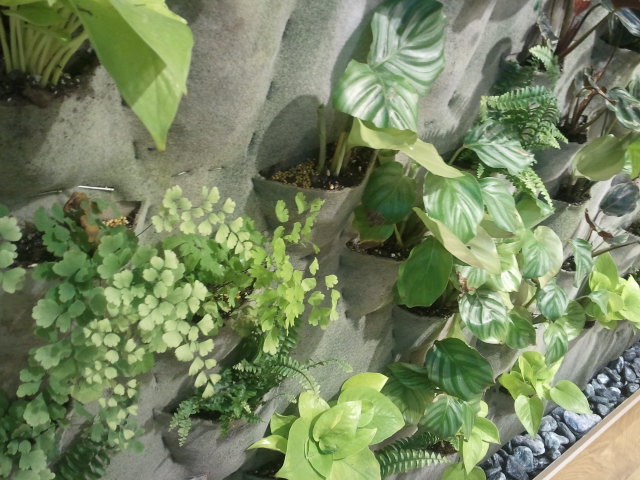
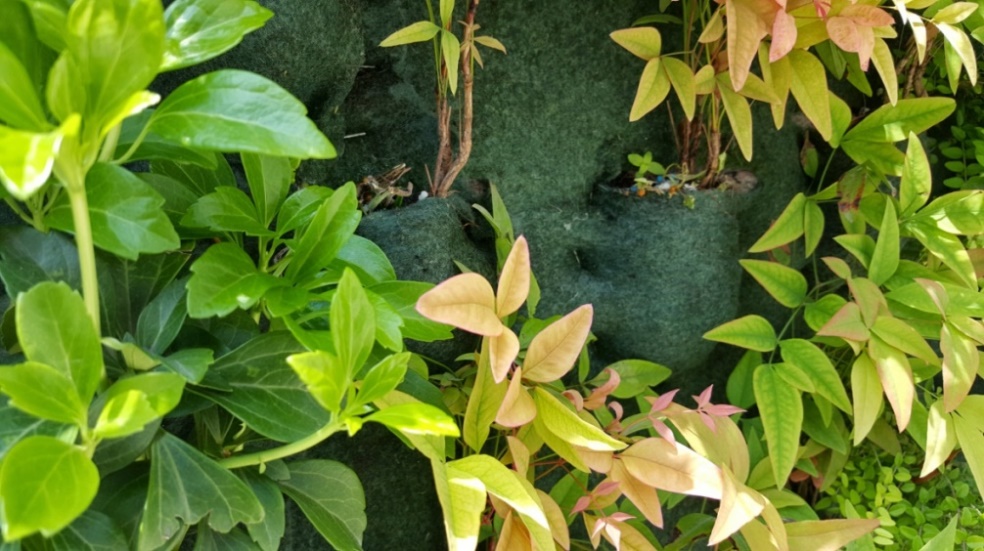
- a) Patrick Blanc Mur Végétal system (FR)
|
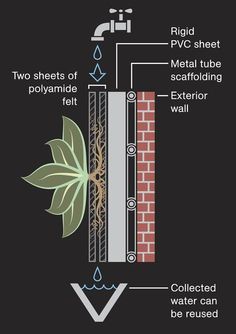
This hydroponic system consists of a metal frame supporting a PVC plate, to which are stapled two layers of polyamide felt. These layers mimic cliff-growing mosses and support the roots of the plants. A network of pipes controlled by valves provides a nutrient solution containing the dissolved minerals needed for plant growth. The felt is soaked by capillary action with this nutrient solution, which flows down the wall by gravity. The roots of the plants take up the nutrients they need, and excess water is collected at the bottom of the wall by a gutter, before being re-injected into the network of pipes: the system thus works in a closed circuit. Plants are chosen for their ability to grow in this type of environment and depending on available light [3].
|

- b) Terapia Urbana Fytotextile system (ES)
This semi-hydroponic modular panel system is made from a patented geotextile fabric composed of three layers of synthetic and organic material including PVC, Fytotextile and Polyamide. The geotextile panels are fastened with Velcro to facade mounted galvanized steel racks. Each square metre holds up to 49 plants in individual pockets, planted in a growing medium. Panels can be fitted to flat or curved surfaces and are planted on site. Every part of the module is made with recycled materials and is itself recyclable. Each panel incorporates a dripline to irrigate the plants through the fabric. There are two types of irrigation scheme. The closed circuit scheme suits large and very large surfaces (>90 m²). Excess water is collected in reservoirs, treated, and then used to irrigate the wall again. For small and medium walls (up to 85-90 m²), excess water drains to a gutter underneath the system. Irrigation frequency is regulated by a timer. Irrigation and fertigation with liquid fertilisers are carried out simultaneously [4]. The patented system has been installed at sites in the UK, Holland, Belgium, Spain and the Middle East by Scotscape [5].
|

|

- c) Poliflor Flexiverde Vydro system (IT)
This hydroponic system is made of layers of spun coconut fibre, Polyfelt Rock PEC (a composite product made from nonwoven polypropylene geo-fabric and high-strength polyester fibres), and a polyurethane foam substrate. The coconut fibre outer layer is cut in order to create planting pockets. The geotextile mat is attached to a steel frame on the wall. The maximum size of each panel is 1800 mm wide x 10,000 mm high, holding 40 plants per square metre. Transversal drip-lines run at intervals through the mat for irrigation and fertigation [6].
|
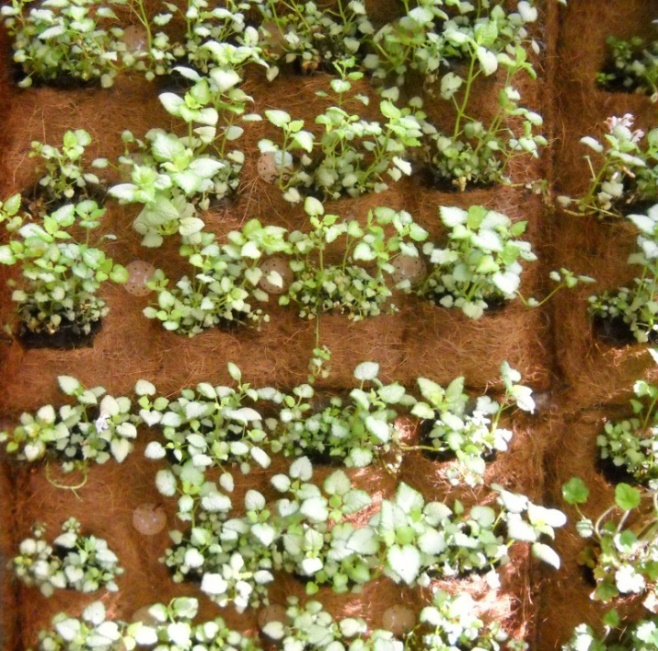
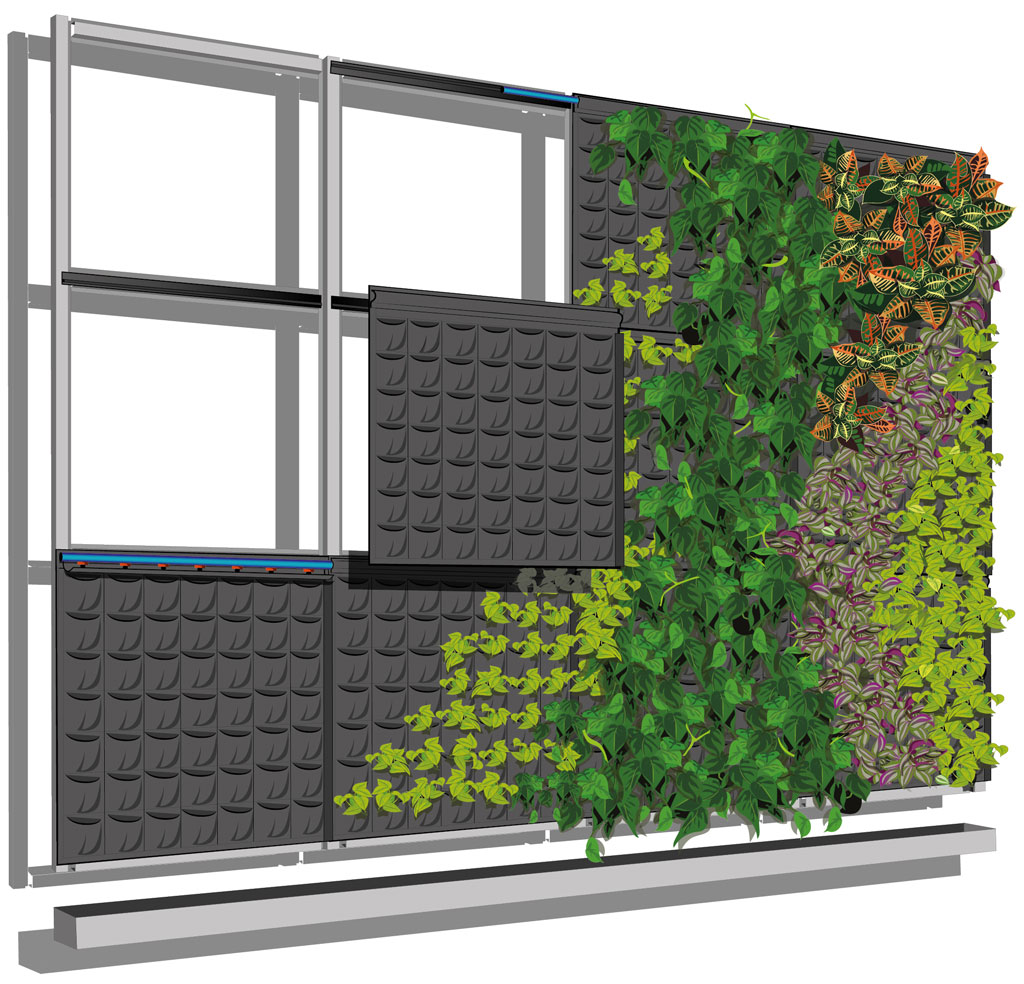
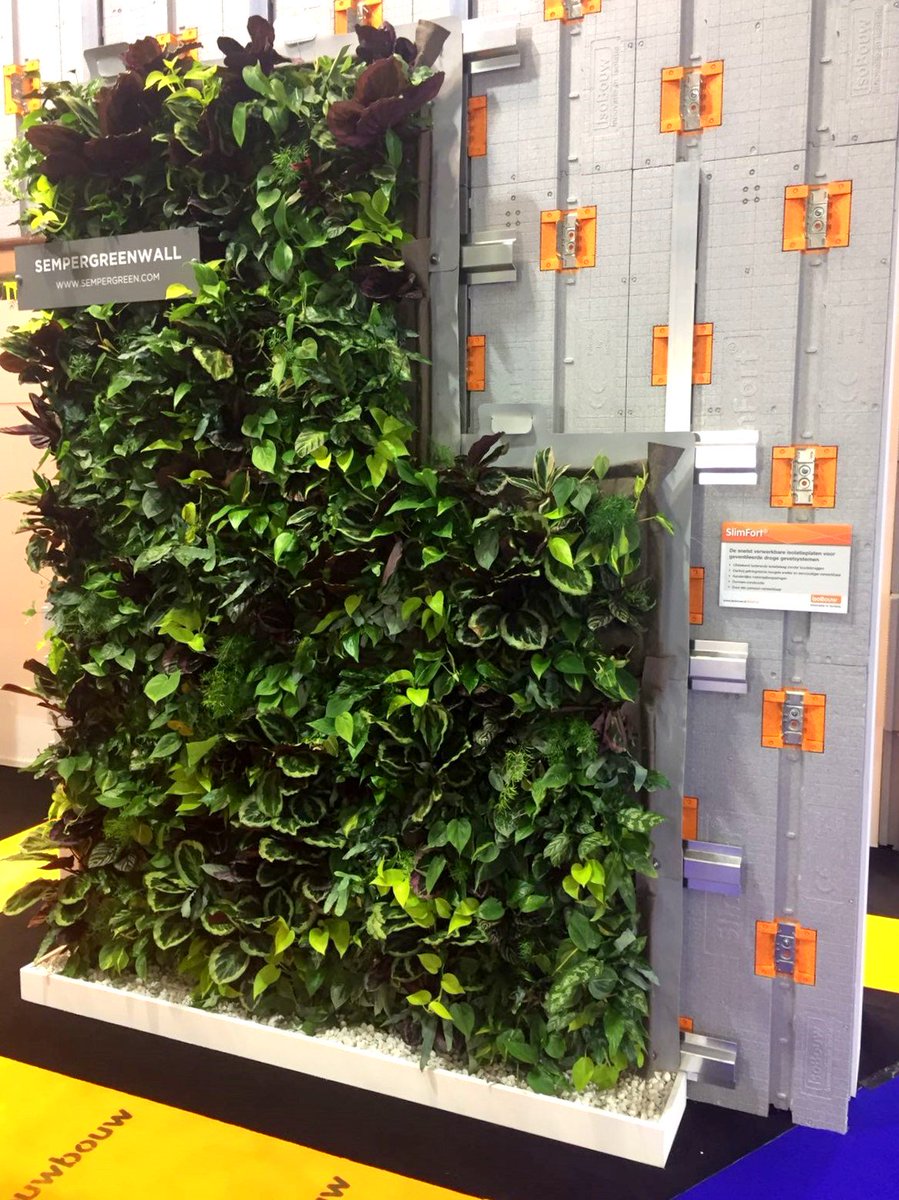
- d) Sempergreen Flexipanel system (NL)
This hydroponic system consists of a thermoplastic polyolefin (TPO) membrane backing and a specially developed and compressed substrate mat finished with a gutter and frame. The standard panel size is 62 cm x 52 cm. Each Flexipanel has a channel at the top for a drip hose which is used for delivering water and nutrients to the plants. The Flexipanel has been tested and certified in the highest European fire safety class (B - s2, d0). The preplanted panels are suitable for either indoor or outdoor use [7].
|

- e) Tracer Vertiflore system (FR)
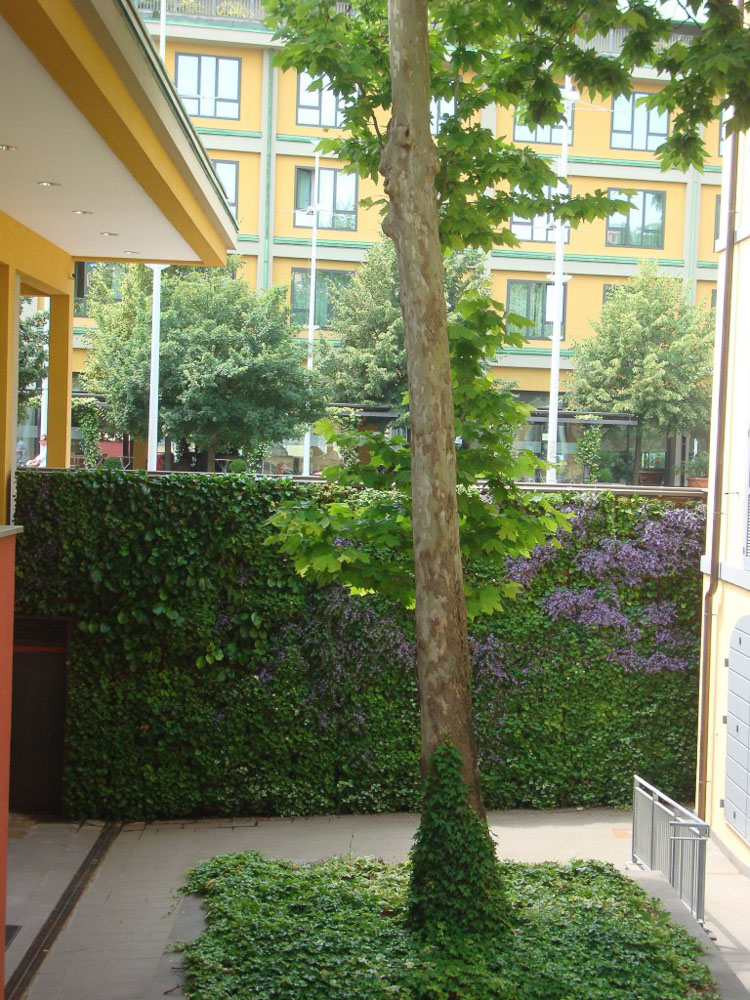
The Vertiflore® system provides sound absorption and sound insulating properties (A3 and B3 standards), and thermal insulation. The panels consist of a steel grid enclosing the growing medium (compost and minerals) contained within a dual layer of geotextile matting [8]. The small size of the panels means that they can be moulded to the shape of the facade, as seen on the Amiens Chamber of Commerce (Figure 19).
|
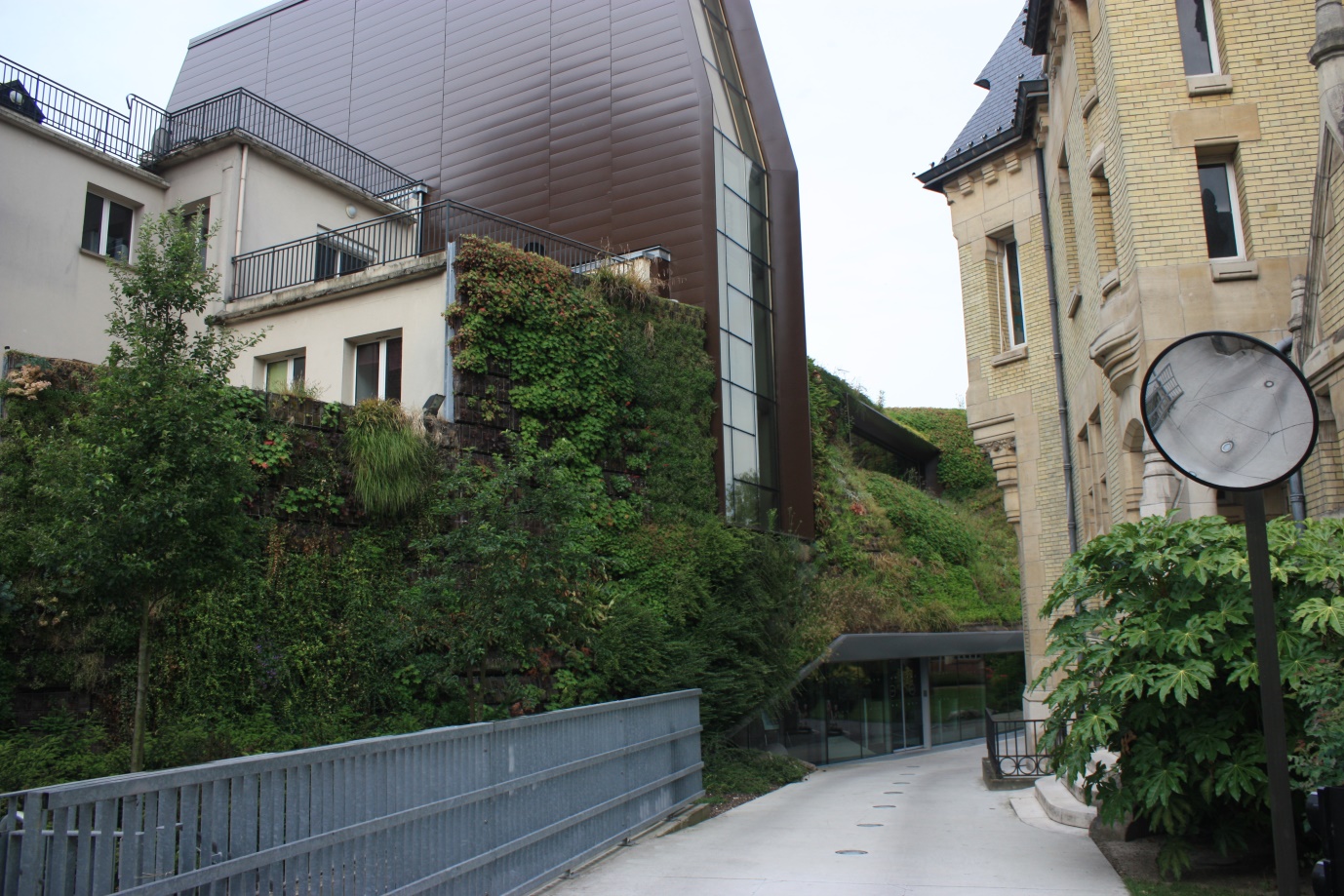
f) Nedlaw living wall biofilter (CA)
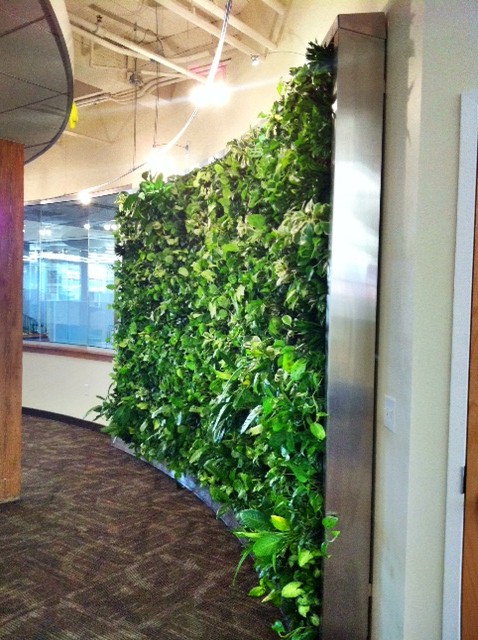
This hydroponic indoor living wall cleanses air through a natural processing of contaminants, including volatile organic compounds, by the exposed root system of a mass of tropical plants. The biofilter system has three major components: a water reservoir; the infrastructure that supports the plants; and the plants themselves. Submersible pumps located in the reservoir lift the water to an emitter system that disperses it across the top of the wall at a rate of approximately four litres per second per metre of width. The infrastructure component of the system comprises the air diffuser (which draws air through the plant material), and the growing medium. The function of the diffuser is to ensure uniform airflow. The diffuser is an array of vertical perforated ducts, which are connected to the return air duct of the building’s air conditioning system via a horizontal manifold. Two layers of geotextile growing medium are physically fastened directly to the internal diffuser system with stainless steel fasteners. Water from the pumps trickles down through the core of the growing medium, creating a vertical hydroponic system. Nutrients and microbes are delivered via the circulating water in the form of low concentrations of hydroponic fertilizers. Plants are selected based on four criteria: their ability to form good relationships with the beneficial microbes that do the actual cleaning of the indoor air; their tolerance of the unique conditions of a vertical hydroponic system; the specific conditions of each installation in terms of light, temperature and water conditions; and aesthetics [9].

Figure 20: Nedlaw living wall biofilter
Source: http://mcgrawimages.buildingmedia.com//CE/CE_images/2013/Jun_Nedlaw-Living-Walls-3.jpg
|
|

Plastic containers
There are two main types of plastic container living walls: those consisting of a series of pots, each of which contains a single plant; and those consisting of a series of modular panels, each of which contains a number of different plants.
a) Nemec Cascade Garden system (CZ)
|
|

The system comprises individual plastic containers sized 100 x 100 x 150 mm which are mounted in rows on metal racks. The plants are planted into a substrate (soil). It is straightforward to remove individual dead plants; only a single container needs to be replaced. Irrigation is regulated through a system of channels underneath the planting containers and works on the principle of gravity (falling water) and capillary action over the soil. Excess water is gathered in a collection container underneath the wall. Watering frequency is regulated using a timer. Fertigation is carried out using controlled-release fertilisers for ornamental plants, which are released during appropriate weather conditions [10]. Similar systems include AgroSci External Grid system from the USA [11] and JKD Hortitech Greenwall system from India [12].
b) AgroSci Aerogation Active Phytoremediation system (USA)
|
|

In the Aerogation system, air is pumped into the air purification unit (APU) where it picks up moisture from wicks fed with water from enclosed troughs. The moist air is then introduced into the root zone of plants held in individual planters where microbiological communities can break down pollutants. A 300-plant wall has the cleaning capacity of 60,000 house plants. The system comprises individual HDPT containers with a capacity of 1300 cc [13].
c) Humko system (SI)
The system is modular and assembled from panels (softshell and others) with dimensions of 900 x 535 mm, within which the planting containers are integrated. Each panel comprises several layers (from back to front: plastic, glass wool, membrane, plastic). The panels are affixed to metal racks mounted on the wall. The plants are then planted in a special substrate with a high concentration of pumice. Irrigation is regulated through a drip system in several levels between the panels, which enables zone watering. The watering is regulated by computer. Fertigation is carried out using a micronutrient solution which is supplied to a storage water container underneath the wall. Dosages are regulated by computer [14]. Similar systems are made in the UK by Mobilane [15] and ANS Global [16], in Hungary by Greenwall Pro [17] and in India by JKDHortitech [18].
|
|
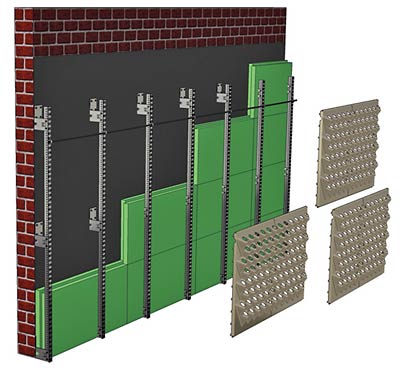
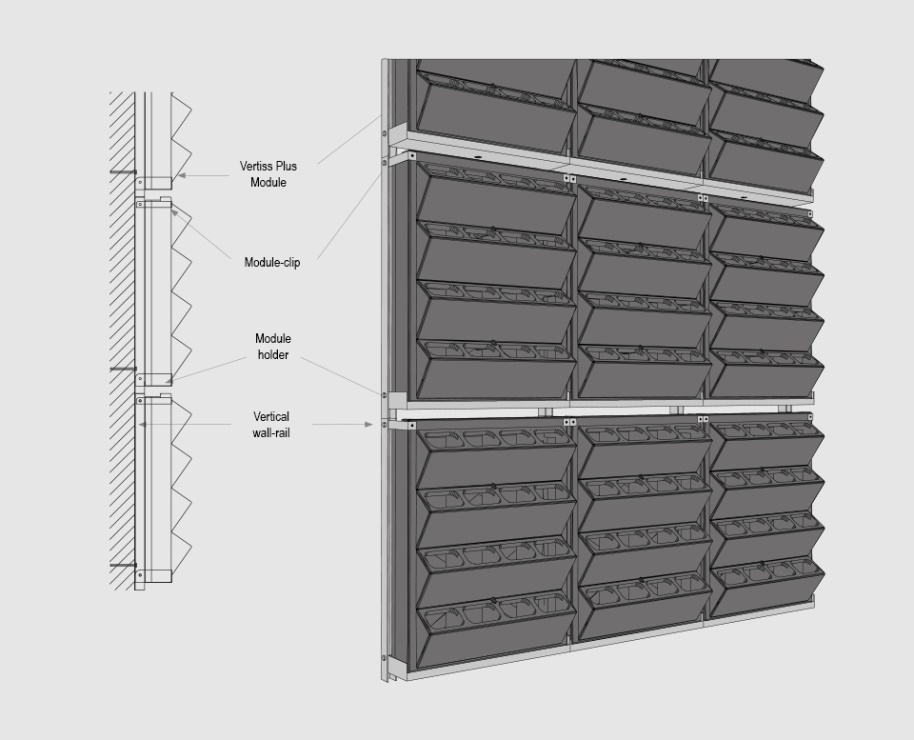
d) Novintiss Vertiss Plus system (FR)
The module is made from lightweight high density expanded polypropylene which insulates the growing medium and the roots against extreme heat and cold. The modules are attached to a metal frame on the wall. Each module measures 760 x 590 mm and holds sixteen plants. The inside of the module is not partitioned so the 32 litres of compost benefit all 16 plants. The volume available for the roots and water (and fertiliser) circulation and distribution is therefore a major asset for the plants' successful growth. The replacement of plants, where necessary, is simple. The growing medium consists of pozzolan and clay balls, garden peat and water-holding agents (colloids). The irrigation station (primary system) controls frequencies and durations for watering and adding nutrients to the living wall thanks to a programmer and electrovalve(s). Each module in the living wall is watered by a drip line connected to the irrigation/fertigation station [19].
|
|
|
|
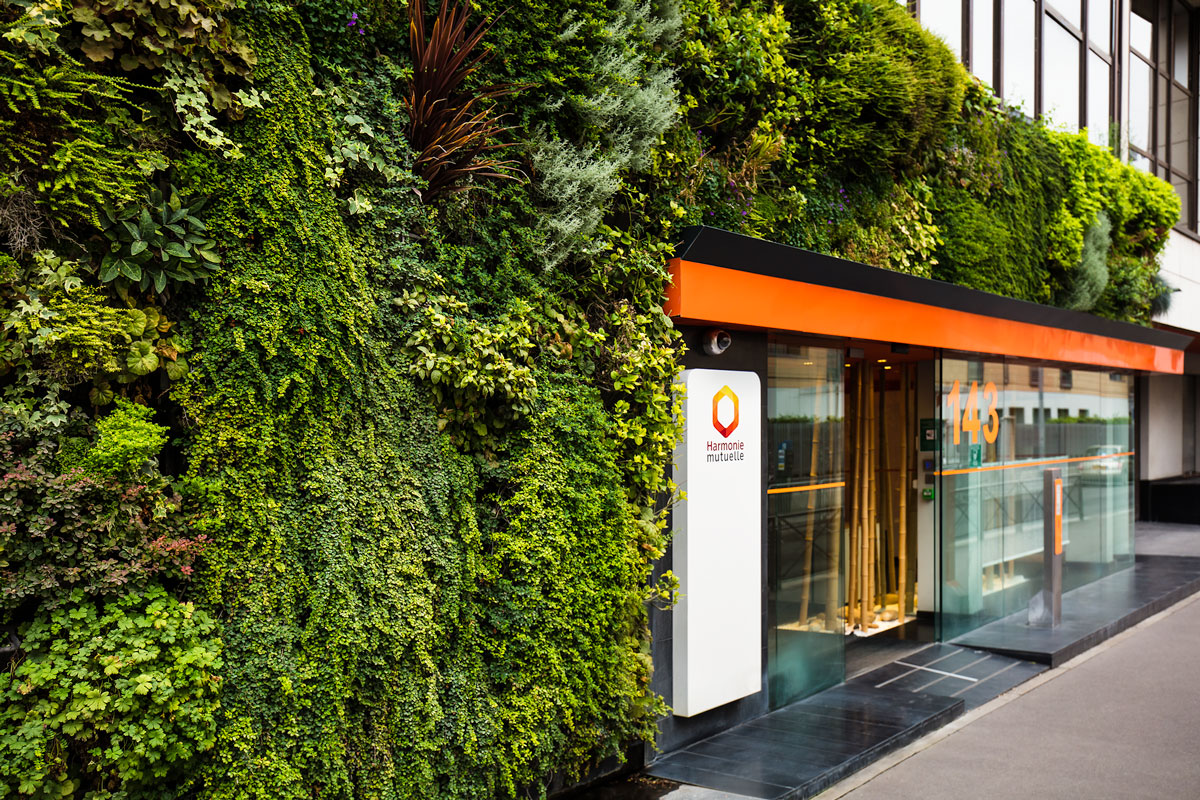
A similar system is the Modulogreen living wall (PT). Made from polypropylene reinforced with fiberglass, the modules are resistant to temperature fluctuations and root pressure, and provide a large volume of substrate for plants, with approximately 4 litres/plant [20]. The Treebox Easiwall system (UK) has a similar design, and is made from 80% recycled materials [21].
e) Biotecture BioWall system (UK)
The modular Biotecture BioWall is a unique patented hydroponic system. 20 plants are contained within each 600 x 445 mm panel that contains an inert growing medium called Grodan (horticultural rockwool). The plants take root and anchor into the growing medium and each row of panels is irrigated and fertigated via precise pressure compensated dripline technology [22].
|
|
Other systems
a) Green Living Technologies Green Living Wall system (USA)
|
|

The Green Living Wall panels are each made from aluminium or stainless steel, so there is no threat of expansion and contraction or the degradation of materials which could become a health, safety and maintenance concern. The patented design allows free water flow and drainage, and unlimited root migration [23].
b) Geogreen system (PT)
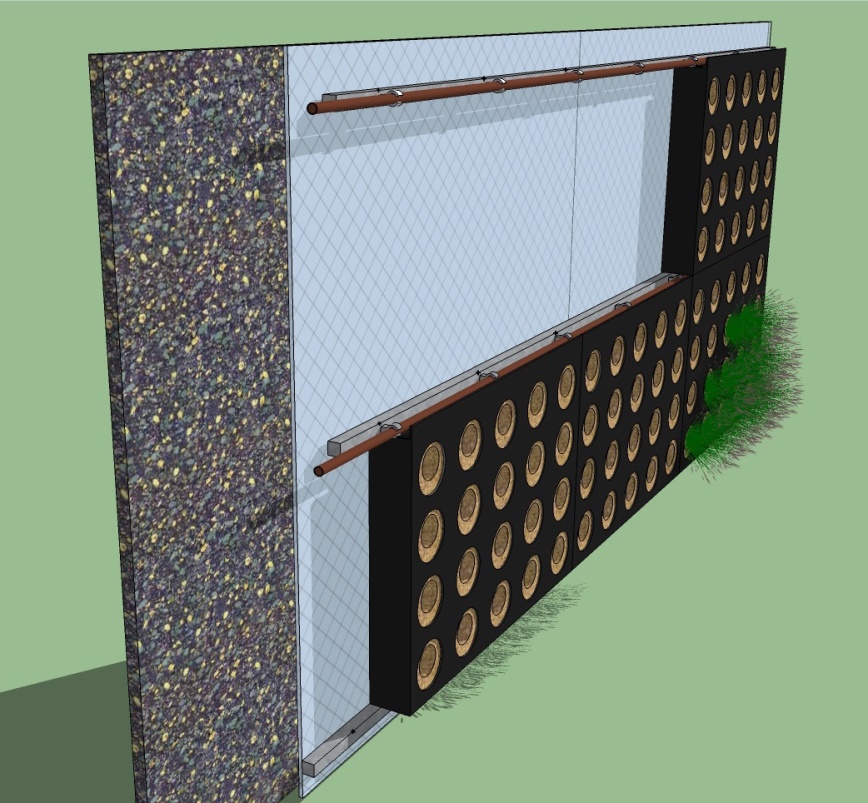
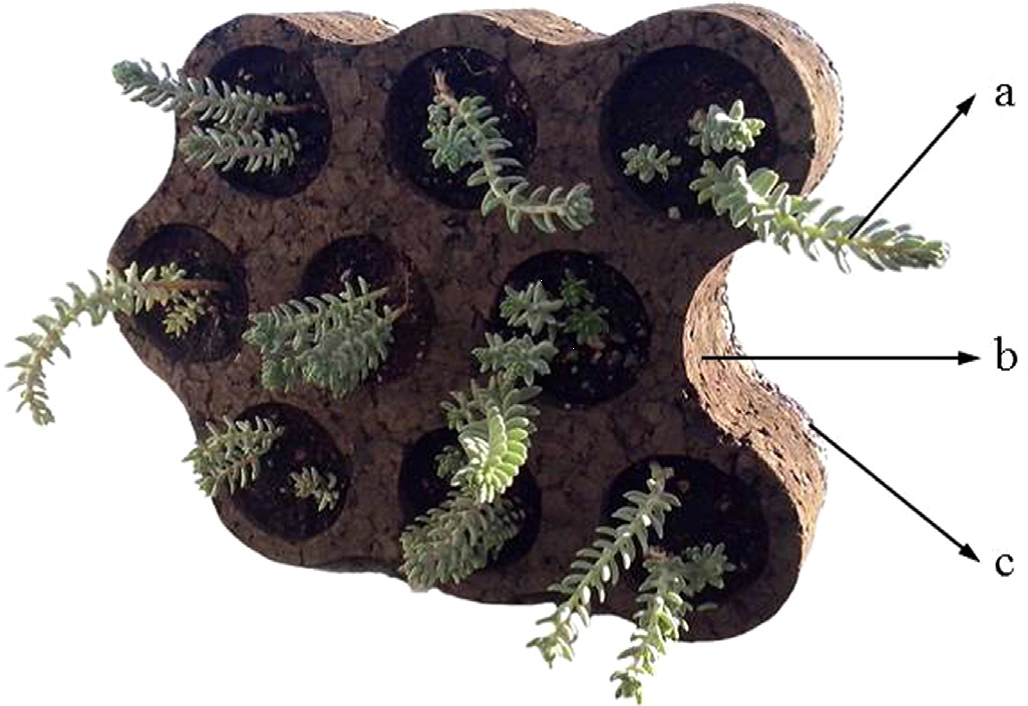
The Geogreen interlocking modular system with dripline irrigation was developed in 2011-2014 by the University of Beira Interior, Portugal, to minimize its environmental impact and irrigation needs. It comprises a geopolymer base plate made from a blend of recycled mine waste and other recycled alumina- and silica-rich waste materials. By increasing the water absorption capacity of the geopolymer plate, the system is able to absorb water and slowly supply it to the plants, minimizing water loss and irrigation needs. The upper plate is made of Expanded Cork Board (ICB), a lightweight natural insulation and sustainable material made from the agglomeration of expanded cork granules. The choice of materials is intended to reduce heat loss through the building envelope in winter, and protect it from direct solar radiation during summer, avoiding excessive thermal gains that would overheat the interior. The growing medium is a lightweight composition with 60% organic and 40% inorganic components that was specially developed for green roofs. The modules are planted with endemic vegetation resistant to dry Mediterranean conditions [24].
|
|


.png)




The relative sustainability of different systems
There is a widespread assumption that geotextile panels need to be replaced every ten years, whereas plastic containers are assumed to have a lifespan of 50 years. However, the technology of living walls is too new for their actual service life to be confirmed yet, and the first geotextile living wall installed at the Pershing Hall Hotel in 2001 is still extant fifteen years later. In terms of their relative durability, it is logical to assume that plastic containers will be more durable than geotextile mats.
The environmental costs of living walls need to be weighed against their environmental benefits. For example, living walls have been shown to be effective at trapping air pollutants and reducing energy loss through the building fabric (see unit 1.2). However, chemical emissions and energy consumption are involved in all stages of the life of a living wall, from cradle to grave, including raw material extraction, manufacture, waste treatment, transport, construction, replacement of parts and plants, and transport to landfill. The manufacture of fertilizers also involves chemical emissions and energy consumption. An analysis of the emissions during the manufacturing process of different systems showed that a geotextile living wall with a PVC back releases three times more toxic substances into the environment than HDPE (high density polyethylene) plastic container living walls or steel trellis green facade systems. Additionally, the geotextile system would need to function for 23 years in order to balance the emissions involved in its manufacture. As the expected operating life of a geotextile living wall is thought to be only about 10 years, the pollution removal benefit of the felt layer system can potentially never offset the pollution it initially created. The plastic container system and steel trellis facade, on the other hand, could easily balance air pollution with purification, as their life expectancy is estimated to be 50 years. Therefore, the geotextile living wall is the least environmentally friendly, in terms of the air pollution abatement.
In terms of energy consumption, the life cycle of the geotextile living wall requires 11 times more energy than the trellis facade, and 4 times more than the HDPE plastic container system. Furthermore, the geotextile system needs nearly 10 years of energy savings in a Mediterranean climate to balance the energy consumption, which equates with the presumed full operational lifespan of the system, while in a temperate climate, the balance years are 3.6 times longer than the presumed lifespan of the felt layer system. Therefore, the geotextile living wall is the least environmentally friendly, in terms of energy saving performance.
Based on these results, the geotextile system can be classified as environmentally unsustainable, in terms of air cleaning and energy savings. The materials used in the geotextile system – the PVC backing material – are the main reason for its low performance. If other materials, like polyethylene or steel, can be used in geotextile living walls, the number of years needed to balance emissions and energy consumption would be changed significantly. Materials that can be recycled or reused after the lifecycle of a living wall also increase their sustainability.
In some situations, the indoor living walls may have access to natural daylight and air through windows and/or skylights; but in most cases, they are located in a completely enclosed environment and thus special considerations for plant growth and maintenance are needed, such as artificial lighting and irrigation. The operation costs in terms of energy consumption and carbon emissions of indoor living walls are quite large (for lighting, pumps, maintenance, etc.), but are the same regardless of the type of system (planter boxes system, felt layers system, mineral wool system, and foam system). In terms of manufacturing costs, the planter box and mineral wool systems are the most sustainable.
The maintenance requirements of living walls are mostly dependent on the type of plants used. Watering, fertilizing, and replacing plants are the three main maintenance tasks. The service life of plants in the plastic box and geotextile living wall systems are 10 years and 3.5 years respectively, which means a few replacements will be needed during their lifespan, involving emissions during transport. The manufacture of the fertilizer in living wall systems also involves significant chemical emissions. Therefore, plants which can survive with low maintenance and low fertilizer requirements are the most sustainable choice.
Resources
- Jakob Rope System
https://www.jakob.co.uk/solutions/view/green-walls/
- Jakob Inox Line
http://www.green-walls.co.uk/images/stories/Downloads/Green_G1_full_UK.pdf
- Patrick Blanc Mur Végétal system
http://www.verticalgardenpatrickblanc.com/
- Terapia Urbana Fytotextile system
http://www.terapiaurbana.es/fytotextile-vertical-garden/jardin-vertical-fytotextile/?lang=en - Scotscape
- Poliflor Flexiverde Vydro system
http://www.poliflor.net/en/vertical-green/flexiverde-vydro/
- SemperGreenwall installation video
https://www.sempergreen.com/en/solutions/living-wall/installation
- Tracer Vertiflore system
- Nedlaw living wall biofilter
http://www.nedlawlivingwalls.com/wp-content/uploads/Overview-Brochure.pdf
- Nemec Cascade Garden system
https://cascadegarden.nemec.eu/en/
- AgroSci Green Wall system
http://www.agrosci.com/assets/agrosci-set-exteriorgridsystem-standarddetails.pdf
- JKD Hortitech Biowall system
http://www.jkdhortitech.com/Biowall.php
- AgroSci Aerogation Active Phytoremediation system
http://www.agrosci.com/assets/agrosci-as-set-standarddetails-interioraerogation.pdf
- Humko system
https://www.humko.si - Mobilane UK system
- ANS Global system
https://www.ansgroupglobal.com/living-wall/about
- Greenwall Pro system
- JKD Hortitech Greenwall system
http://www.jkdhortitech.com/Greenwall.php
- Novintiss Vertiss Plus system
http://www.vertiss.net/en/products/vertiss-plus/ - Modulogreen system
- Treebox Easiwall system
http://www.treebox.co.uk/products/easiwall-green-wall.html
- Biotecture BioWall system
http://www.biotecture.uk.com/living-walls/ - Green Living Technologies Green Living Wall system
http://www.agreenroof.com/green-walls/ - Geogreen system
https://geogreencmade.wordpress.com/author/geogreencmade/